There are several types of risks that banks face in their daily operations. From data theft to literal financial frauds, a single mistake can leave the bank vulnerable to so much damage. On top of it, they may need to face a heavy lawsuit from customers. That’s why there are numerous governances, risk, and compliance set by statutory bodies that banks need to adhere to.
Not only do these protect banks from these types of frauds but also help establish a chain of transparency. Due to these compliances, consumers keep their trust in the banking industry, and this in turn helps several commercial sectors of the nation. To ensure you’re able to keep up with all banking regulatory compliances, you may rely on risk and compliance tools.
These tools refer to a set of features that help ensure compliance, prevent fraud, detect anomalies, and improve cybersecurity to protect customer data and funds. You can find these risk and compliance tools in several solutions like account opening platforms, loan origination software, enterprise risk management software, and more.
Let’s take a closer look at why you need these tools, and how they help you create a safer and trustworthy picture in the financial landscape.
Why You Need Risk and Compliance Tools?
Banks, money lenders, credit unions, digital wallets, and other financial institutions need to proactively manage risks, meet regulatory compliance, and protect customer data. This is exactly where risk and compliance tools help. They provide better visibility into operations, help build an audit trail, and automate compliance tasks. You can be more responsible and generate proper reports after encountering a possible threat. Here are a few reasons why these risks and compliance tools are essential in the banking industry:
1. Improve Regulatory Compliance
Banking regulations and industry standards keep evolving. The industry wants to ensure that they’re able to follow the best practices to prevent fraud and organize operations across the industry to preserve integrity. Risk and compliance tools automate these compliance checks and ensure the latest policies are followed across your entire organization. This also reduces administrative workflows, and you can demonstrate compliance during audits and reviews more efficiently.
2. Identify and Manage Risks Early
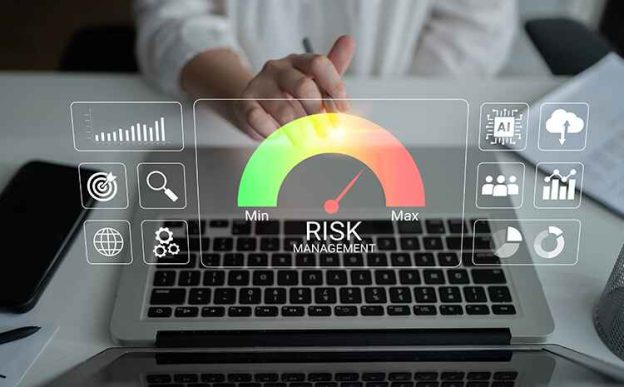
As the old saying goes, prevention is better than cure. Along with banking technology, even fraudsters are evolving. They’re finding new ways to bypass risk assessments and identify loopholes in the process. With the right set of risk and compliance tools, you can identify potential threats early, even before they’re able to penetrate your system. With AI governance, you can analyze tons of data, track risk indicators, and identify threats. You can take corrective measures early, minimize losses, and make decisions that help with business continuity.
3. Real-Time Data Governance
Risk and compliance tools also help build real-time data governance and operational resilience. They can monitor consumer transactions and activities in real-time for audit management. By analyzing consumer behavior against several parameters, they can identify frauds, money laundering, and other financial crimes. Furthermore, several tools also help banks manage GDPR and HIPAA compliance. Managing internal audits also becomes easy and efficient with these tools.
4. Workflow Automation
Without a proper approach, policy management and audits can take a long time and become quite costly. Risk and compliance tool set internal controls for analysis, incident response, and corrective actions. They take risk mitigation to a new level while reducing administrative costs. Ensuring continuous compliance is easy. You get automated workflows for accurate reporting, audit trails, document management, cyber risk management, operational risk management, and more.
5. Protect Customer Data and Reputation
Customer privacy is very essential for banks. For this purpose, several countries require banks to adhere to several customer data protection laws like GDPR. Risk and compliance tools help safeguard sensitive customer data and prevent data breaches. To protect a customer’s card details, these tools also enforce PCI-DSS compliance and follow the GRC framework and SOC2 protocol. Data protection practices also strengthen customer confidence and help build a solid reputation.
Types of Banking Software that Can Help Banks Maintain Compliance
Although numerous banking software come with pre-integrated risk and compliance tools, their dedicated use cases remain difference. While some software solutions are dedicated to compliance and data privacy, some are more comprehensive and can be used for loan origination and account opening. Let’s take a closer look at some banking software that comes with pre-integrated risk and compliance tools.
1. GRC Software (Governance, Risk, and Compliance)
It is a centralized platform for helping you manage governance policies and carry out risk assessments. With the help of GRC software, banks can automate regulatory checkups, audits, and other activities across their entire organization. Furthermore, the risk and compliance tools of a GRC software also help teams track controls, prepare reports, and monitor other obligations.
How GRC software helps with compliance:
- Helps monitor regulatory requirements and policy adherence
- Automates compliance workflows and audits
- Maintains documentation and audit trails
- Helps identify and remediate compliance gaps
2. Enterprise Risk Management (ERM) Software
ERM software focuses more on operational risks for your organization. It may include credit risk, market risks, cyber risks, strategic risks, and more. Just like GRC software, modern ERM software also comes with AI-based risk and compliance tools for identifying, assessing, monitoring and timely mitigating risks at all levels.
How it helps with compliance:
- Supports regulatory risk management requirements with real time analysis
- Come with pre-build operational risk indicators and control effectiveness
- Provides risk reporting for regulators and leadership
- Helps demonstrate a proactive risk management framework
How to Select a Risk and Compliance Software
1. Assess Your Compliance Requirements
Start by reviewing the regulations your bank must follow. Your needs may differ based on size, products, customer base, and operating regions. Look for risk and compliance tools that support the specific requirements relevant to your business. If your institution handles consumer data, support for standards such as CCPA may be important. A clear requirements list helps narrow your options.
2. Evaluate Risk Management Capabilities
Not all platforms handle risks the same way. Some focus on policy management, while others offer deeper risk analysis. Check whether the solution includes risk assessments, issue tracking, reporting, and alerts. Many teams compare risk management tools based on how easily they identify problems and help track corrective actions across departments.
3. Check Automation Features
Manual compliance work often leads to delays and inconsistencies. Look for features such as automated evidence collection, workflow approvals, document management, and task reminders. These functions reduce administrative effort and improve recordkeeping. You might also benefit from continuous control monitoring if your team needs regular oversight of controls without relying on manual reviews.
4. Review Integration and Scalability
A new system should work well with your existing banking applications. Review integration options before deciding. Data movement between systems affects reporting accuracy and daily operations. As your organization grows, your chosen platform should support more users, data sources, and compliance requirements without creating additional complexity.
5. Compare Vendor Support and Industry Experience
Software features matter, but support quality matters too. Ask vendors about implementation assistance, training, and response times. A provider with banking experience may better understand regulatory challenges. Some organizations evaluate platforms such as audit board alongside other vendors to compare functionality, service quality, and long-term support options before making a final selection.
Conclusion
Banks face increasing pressure to manage risks, follow regulations, and maintain accurate records. Risk and compliance tools help simplify these responsibilities by supporting monitoring, reporting, audits, and policy management. The right solution helps your team identify issues earlier, improve accountability, and reduce manual effort. When evaluating risk and compliance tools, focus on business needs, regulatory obligations, and long-term usability. A careful selection process often leads to stronger compliance outcomes and better operational control.
As regulatory expectations change, having the right system in place helps your team respond more efficiently. Risk and compliance tools also provide better visibility into daily operations, helping banks maintain consistency across processes and departments.
FAQs about Risk and Compliance Tools
1. What are risk and compliance tools used for?
Risk and compliance tools help banks monitor regulatory obligations, manage internal controls, track risks, and support audit activities. They provide a structured way to document compliance efforts and identify potential issues. Many organizations use these systems to improve visibility across departments and maintain accurate records for regulatory reviews and internal assessments.
2. How do risk and compliance tools improve compliance management?
These platforms centralize compliance activities in one location. They help teams track regulatory requirements, assign responsibilities, monitor progress, and maintain documentation. Risk and compliance tools reduce dependence on spreadsheets and manual processes. This often leads to better consistency, fewer reporting errors, and stronger preparation for audits or examinations.
3. Are risk and compliance tools suitable for small banks?
Yes, many vendors offer solutions designed for smaller institutions. The required features depend on your risk profile, regulatory obligations, and internal processes. Smaller banks may prefer systems with straightforward reporting and workflow management, while larger institutions often need broader capabilities. Choosing the right scale is usually more important than choosing the largest platform.
4. What should you look for in risk and compliance tools?
Focus on functionality that addresses your specific business needs. Key considerations include risk tracking, reporting, audit management, workflow automation, integration capabilities, and user access controls. You should also evaluate vendor support and implementation services. A system with strong risk control software features may help improve oversight and accountability.
5. How often should risk and compliance tools be reviewed?
Regular reviews help ensure the software continues to meet business and regulatory requirements. Many organizations assess system performance annually, though higher-risk environments may require more frequent evaluations. You may need additional reviews after regulatory changes, mergers, new product launches, or significant operational updates that affect compliance obligations.