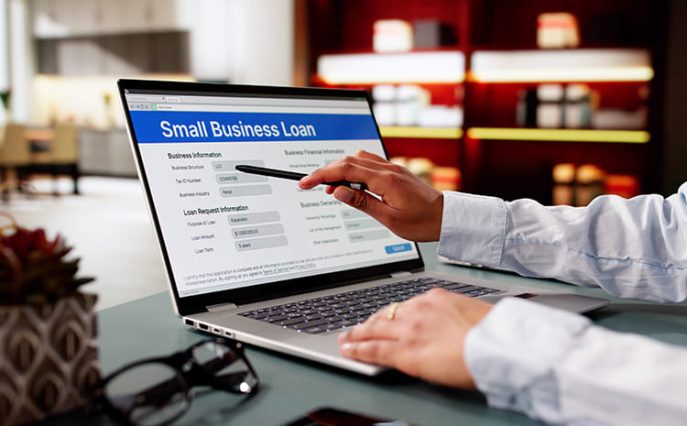
Loans for small businesses are important for both small business owners and regional banks as they assess the Federal Reserve's impact on interest rates for 2026 and beyond. Because of these changes to borrowing costs by the Federal Reserve, lenders need to analyse potential loan options, such as 504 fixed loans versus variable 7(a) loans, to determine the best loan configuration for borrowers.
Fixed loans are best suited when stability over the long term is required. Variable 7(a) loans provide flexibility to accommodate changing market conditions. Both online lenders and borrowers need to understand how the various loan product interest rates can affect both monthly payments and cash flow. This article will cover the top rated small business loans, including options from providers like Fora Financial, to help lenders structure competitive products and streamline the loan application process, making it easier for businesses to prequalify.
What are Fixed Interest Rate Loans?
A fixed interest rate loan has a predetermined interest rate. It allows the borrower to make monthly payments over the duration of the loan. This predictable rate of interest makes cash flow planning easier for both the lender and the small business administration owners, as both parties are exposed to a lesser degree of risk, enhancing the borrower's creditworthiness.
Fixed loans are particularly appropriate for long-term asset financing, such as commercial real estate loans or equipment financing, as in the case of SBA 504 loans. Knowing how much interest will be payable, borrowers can appropriately forecast returns, while loan providers can more accurately forecast business funding risk where there is less volatility in the interest rate environment.
What are Variable Interest Rate Loans?
A variable interest rate loan is a loan that has an interest rate that changes periodically in relation to benchmarks. Therefore, interest rates can go up or down based on the current market. Many business term loans in the SBA 7(a) loans program are variable interest rate loans, which allow the borrower flexibility if they expect their short-term cash flow to grow and they want to refinance one day.
An initial variable interest rate loan has an interest rate that may be less than a fixed rate loan and, as a result, may save an interest charge to the borrower if the market goes down, potentially offering a more favorable lump sum over time. However, there is uncertainty for both the borrower and lender should the interest rates increase, as the borrower's monthly payment and total interest paid over the life of the loan will both be higher.
What Lenders Need to Know About SBA Loans in 2026
Interest rates for the top rated small business loans of all time are set based on benchmark rates such as the prime rate or the U.S. Treasury bond at 10 years. The SBA loans are more desirable than traditional bank commercial business financing options due to government guarantees, pricing competition, clear eligibility requirements, a structured repayment schedule, and often a reduced need for a personal guarantee. SBA 7(a) loans can have fixed and variable interest rates, but when it comes to repayment on loans, they both offer lenders a very reliable form of fixed income. The following characteristics of these loans determine how a business's financing goals align with its loan type, its current financial situation, its amount of money borrowed, its time in business, and the stability of the borrowers.
Fixed 504 Loans vs. Variable 7(a) Loans
As we take an in-depth look at the features of the most important items that lenders should take into consideration, we will further highlight the different characteristics of the various top rated small business loans available from several different lenders.
1. SBA 504 Loans – Long‑Term Fixed‑Rate Stability
SBA 504 Loans are long-term fixed-rate loans intended for major fixed asset purchases, including the purchase of commercial real estate and equipment. These small business loans are classified as top rated small business loans because they offer fixed interest rates that are based on long-term Treasury Notes. This provides the lender and borrower with a known outcome at the time of initial closing of the loan.
Additionally, the 504 CDC Debentures have a fixed interest rate once the bond has been issued and have a fixed interest rate throughout the term of the loan. This makes 504 loans excellent for clients who wish to retain long-term ownership of their fixed assets. Lenders providing top rated small business loans in this category will have a high level of confidence in their ability to project a return on their investment.
2. SBA 7(a) Loans – Flexible Variable Options
SBA 7(a) loans are multi-functional loan products that offer everything from financing of everyday operations to expensive property purchases to entrepreneurs and startups trying to grow or enter new markets. Most of the top rated small business loans in this category are variable in nature and charge interest based on the prime rate plus a lender-specific margin.
Such loans typically offer greater flexibility when an expectation exists of a decrease in the global interest rate environment. However, a tightening of the business line of credit by the Federal Reserve would lead to lender payment increases, thereby reducing monthly revenue and impacting annual revenue for both the lender and the borrower. Providing highly competitive fixed-rate versus variable-rate loans to customers enables lenders to stay highly competitive in terms of pricing for top rated small business loans in general.
3. Interest Rate Break‑Even Analysis
When providing fixed versus variable loan quotes to clients, lenders should also perform “break-even” calculations on how much additional interest a client will need to pay on their “fixed” loan compared to how much they could potentially save in interest costs if interest rates fall in the future.
Using small business loan automation tools, lenders can quickly model out multiple scenarios to help their customers when evaluating different types of top rated small business loans. Customers will have a better understanding of the trade-offs associated with the costs of their loans. The lenders will be able to determine which top rated small business loans are most likely to perform better in different economic environments.
4. Federal Reserve Impact – Rate Expectations
The pricing of SBA loans is affected by changes in the broader market as per monetary policy. The prime rate is about 6.75% at the beginning of 2026, and any change in Federal Reserve monetary policy will be shown in variable pricing within a very short period of time. A cut in the Federal Funds Rate by the Federal Reserve will create a more attractive variable loan rate.
An increase in the Federal Funds Rate as a result of inflation will create a shield effect for both lenders and borrowers with a fixed loan rate. Understanding these relationships is critical to successfully providing the top rated small business loans and communicating anticipated rates to borrowers. In addition, modelling these trends will allow lenders to provide their top rated small business loans.
5. Portfolio Considerations
Loan amounts, terms, borrower personal credit score, and expected cash flows must be aligned when determining which types of personal loans or alternative financing, like invoice factoring or traditional bank loans to make available to borrowers, even those with bad credit, often considering a minimum credit score and their overall credit history. For example, the ideal diversified loan portfolio should contain a combination of both fixed and variable rate loan types to provide borrowers with stability, but more importantly, to provide lenders with the ability to control cash flow in response to changing interest rates.
With small business loan automation, lenders are able to quickly evaluate risk, price products accurately, manage rate changes instantly, and create an accurate historical record of working capital loan activity, often by analyzing bank statements, similar to platforms like OnDeck. This allows lenders to make better business funding decisions, leading to predictable loan performance for top rated small business loans, and gives many banks greater flexibility in making available loan products, including options for fast funding, often within a single business day, or even same day funding directly to a business's bank account in some cases, without excessive origination fee burdens, thanks to streamlined underwriting processes. Additionally, these automated platforms allow borrowers to streamline the application process for small business loan programs based on their business credit score, a solid business plan, and sound projected repayment capabilities.
Conclusion
Fixed 504 loans and variable 7(a) loans are critical to any lender's portfolio. Predictable monthly payments with fixed loans provide companies a sense of security from the threat of rising interest rates while providing compliance with any type of business requirements. The ability to automate small business loans with integrated SBA rate modelling will allow banks to maximise their overall performance. Please reach out to us today if you would like to learn more about how we can assist you in your SBA loan evaluation and get the top rated small business loans for your business needs.
FAQs About Top Rated Small Business Loans
1. What makes top rated small business loans different?
Top rated small business loans, including microloans, are unique because they come with governmental guarantees along with better pricing (lower cost) compared to any traditional financial institution, credit unions, or even business credit cards. It also offers extended repayment periods compared to a “traditional” loan to new or existing business owners.
2. How do fixed SBA 504 loans benefit borrowers?
Fixed 504 loans make it easy to budget for the financing of commercial real estate or equipment loans because there is a set monthly payment amount. Borrowers have stability from long-term fluctuations in competitive rates, which allows for planning cash flows accurately. Fixed 504 loans are ideal for established businesses that want to own their assets for a long time.
3. Why choose a variable 7(a) loan?
Because variable loans adjust to current market conditions, borrowers will be able to benefit from any reductions in the prime interest rates. Some variable-rate lenders offer variable 7(a) loans that are considered top-tiered in the category of small lenders as a result of the combination of an affordable rate along with the flexibility of the terms of their funding options.
4. How to apply for small business loan?
Applying for a small business loan involves assessing your financial needs, preparing documents like tax returns and bank statements, choosing a lender (bank, NBFC, or online), and submitting an application.
5. What is a break-even analysis for fixed vs variable?
It compares the total amount of interest paid at different rates so that borrowers know which option will save them the most money. By providing clients with a break-even analysis, lenders can demonstrate how top rated small business loans with current or projected interest rate fluctuations will perform over time.