Obtaining an SBA startup loan needs a well-planned, risk-mitigating and financially secure business plan. Regional banks are now more stringent regarding providing loans to new ventures as the post-inflationary market in 2026 restricts lending guidelines. To qualify for SBA financing, a borrower must demonstrate more than just having an incredible business idea.
Demonstrating operational stability is important to qualify for funding. Your local SBA lender will expect to see a comprehensive business plan created in order to establish working capital needed for growth in the long term and to cover the impact of rising costs. Following the framework will help new businesses position themselves to obtain the working capital needed for continued success.
The Evolution of the SBA Startup Loan in 2026
In the mid-2020's, after all the economies in the world stabilised, there has been a big change in what banks consider when looking to lend money to a small business starting up through the SBA startup loan. A preferred lender uses data to show that the startup is stable and also looks for information on how the company is able to provide long-term employment. A good credit committee at a regional bank wants to understand how to deal with higher interest levels and labour costs.
A good lender wants to see a good business plan based on a good understanding of the current state of the economy and its equilibrium. The majority of successful loan applications in today's marketplace have a very in-depth analysis of estimates of supply chain reliability and consumer pricing elasticity. Understanding these items will assist you in being more successful with your loan application process with your local lending institution.
Critical Components of a Lender-Ready Business Plan
A commercial credit officer must see an extensive and well-structured file of your documents before they will approve your application for an SBA startup loan.
1. Executive Summary and Credit Worthiness
In the executive summary of your document, you must immediately demonstrate the creditworthiness of your founding team. Lenders of 2026 seek a high credit score and substantial experience in the industry, which indicates that the business is able to survive the challenges of starting a new business.
State the loan amount that you want to borrow, and clearly state exactly how this money will be spent. In addition, mention the amount of down payments you will be placing down on the loan, as this shows the lender that you have put your "skin in the game." The executive summary is designed to catch the attention of the underwriting team, so they continue to review the entire proposal.
2. Fixed Asset and Operational Strategy
For proper evaluation of fixed assets contributions to your operations (is it real estate or equipment), the bank needs to have a detailed explanation prepared on all assets, including how much each asset costs. Determine if your location meets the needs of the business lending goals within the community.
With inflation now a thing of the past, describe what procedures you implemented to ensure that you can purchase equipment for use in your operations at fixed costs that will not fluctuate after the equipment is purchased. Providing transparency on your operations assists the Small Business Administration in determining whether or not your physical operation is viable.
3. Eligibility Requirements & Market Analysis
In order for your plan to be approved, it must prove that your startup fully meets the eligibility requirements and fills a need within the 2026 market. You need to fully outline any target customer demographic, along with how your brand will hold up when compared to your competitors.
Use local and general statistical data for industry trends and economic conditions from sba.gov to support your reasoning as to why you believe you understand the consumer spending behaviour of today's "new normal" consumers. Clearly defining your niche will lessen the bank's risk on the SBA-guaranteed portion of the loan.
4. Comprehensive Financing Options
Identify all of the capital financing options you reviewed and then establish your course of action to obtain an acceptable level of financing via the most suitable form of discretionary funding. Compare various term loans with other vehicles, like a line of credit, to show your lender that you have conducted thorough research into the potential choices for each loan type.
Explain to the lender how you will be utilising the proceeds from the loan in order to maximise your return on investment. Explain why the SBA-guaranteed loans structure is the most beneficial for your specific debt-to-equity ratio. Address how the repayment terms align with your expected seasonal cycles. The detail you provide demonstrates to the credit union or bank that you are a competent financial manager for your corporation.
5. Risk Management and Refinancing
You must explain how you will mitigate the not-so-common risks associated with refinancing using your SBA startup loan to give your business the best possible chance of success. Additionally, you need to demonstrate how your business insurance, as well as a diverse range of revenue sources, will provide protection to your SBA business startup loan if market conditions change, such as rising variable rates, and affect your ability to meet your debt obligations.
You will also want to develop an alternative contingency plan for your startup costs that can be implemented if your original plan fails. Each of these components provides a high level of reassurance to the regional credit committee and demonstrates your ability to plan for the extreme uncertainty that is frequent in the world of the fast small business loan landscape.
Mastering the Projections Section for Your SBA Startup Loan
The projections section of an SBA startup loan application, as of 2026, is the most critically evaluated part by credit committees. It is no longer acceptable to use "hockey stick" style projections in your application. You must present realistic and conservative estimates of what revenue will be after inflation has occurred in your business and consider the margin compression that will occur.
In addition, small business owners should also provide a month-by-month projection of their business for at least the first two years of operation. Providing monthly projections helps the lender match system or your local banker to validate your assumptions with those contained in the industry benchmark data.
- Cash Flow Analysis: Provide a clear statement delineating the timing of cash receipts and disbursements for the business.
- Debt Service Coverage Ratio (DSCR): Demonstrate that your cash flow comfortably meets the repayment terms of your borrowing.
- Expense Benchmarking: Provide a comparison of your startup costs against the 2026 averages for similar businesses published by the FDIC and other trade associations.
- Variable Rate Sensitivity: Indicate the anticipated impact of a 1-2% increase in interest rates on your bottom line.
- Revenue Drivers: Identify the number of units sold, or contracts signed, that you need to sell in order to attain break-even.
Navigating Different SBA Loan Programs
There are many different SBA startup loans available, so before selecting the best one, it is essential to determine the purpose of your loan and how it will be utilised, which could involve purchasing land or purchasing equipment. The most common type of SBA loan is the SBA 7(a) loans, which are typically used to finance businesses that require working capital or access to general-purpose funds.
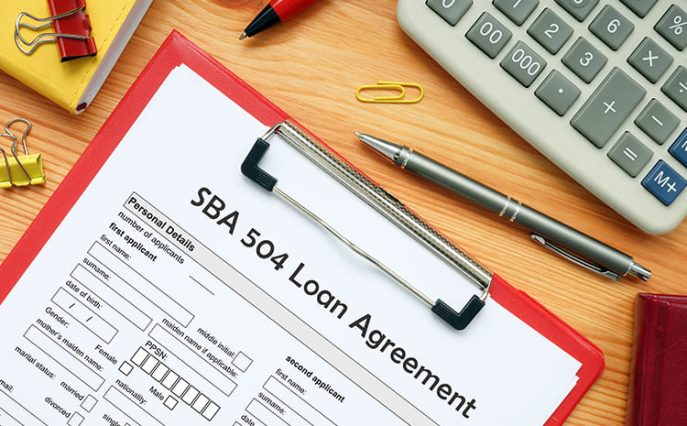
The second most popular type of SBA loan is the SBA 504 loan, which is designed for larger real estate purchases and heavier equipment and can be structured as fixed-rate long-term financing. For smaller businesses, there are microloans available through local organisations that can be used to meet short-term financing needs. Each loan program has different qualifications for use and eligibility, so understanding what types of SBA loans will work best for your situation will help you structure your business plan accordingly to target the appropriate lenders.
Conclusion
You can have an advantageous opportunity ahead of you with a well-prepared SBA startup loan application plan. Your company can gain a competitive advantage as they present realistic financial projections for 2026, along with demonstrating acceptable creditworthiness. This will give you the ability to compete with other companies and obtain funding from regional banks.
Regional banks and lenders want to work with small business owners who understand today’s economy and are organised and prepared to start their businesses. When preparing for an SBA startup loan application, make sure your written sentences are precise, that your financial data is factual and accurately supported, and that your objectives are well-defined. You are now ready for the next step in starting your business with a solid SBA startup loan application plan. To start your journey to funding, contact a local business advisor to evaluate your draft proposal.
FAQs About SBA Startup Loan
1. What is the minimum credit score required for an SBA startup loan?
The SBA does not have a specific minimum credit score for an SBA startup loan. However, most local lenders will want to see your credit score of at least 680. The higher your credit score, the more personal responsibility you have shown in managing your finances.
2. Can I use an SBA Express loan for a new startup?
Yes, the SBA Express Loan is a form of financing that is available to start-up businesses. It can be obtained more quickly because the maximum loan amount is lower than the standard 7(a) program. This loan may also have a slightly higher interest rate.
3. How much of a down payment is required for an SBA startup loan?
As of 2026, most SBA startup loan applicants are asked by their lender for a minimum down payment of 10-20% to show they are committed to their for-profit venture. This allows the bank to assess the likelihood you will be able to repay the requested amount of financing in the future.
4. Does the SBA provide the money directly to the borrower?
SBA does not provide any direct funding. Rather, they guarantee funding through a loan made through a financial institution. All loan payments are to be made directly to the bank or other credit union, or loans that will be funded through private lenders.
5. What are the current interest rates for an SBA loan?
As of May 2026, all SBA 7(a) loans are being issued with interest rates of between 9.75% and 14.75%, whereas SBA microloans generally have interest rates of between 8% and 13%. If you are a small business owner purchasing real estate or fixed assets, the best interest rates are available through SBA 504 loans (fixed-rate financing at 5-7% interest).