When you want to grow your business, manage seasonal fluctuations, or invest in long-term assets, apply for small business loan is a critical part of the plan you create to achieve these objectives. While many entrepreneurs default to using a large national bank, many times, regional banks and community financial institutions can offer a community-focused, personalised relationship when working with small business owners to provide assistance in receiving funding.
Local banks have a vested interest in the local economy and, as such, care about your company's success as if it were their own. By learning how to apply for small business loan via a local lender for your next small business loan option, you are developing a partnership that sees more than just the numbers reported on a financial statement. This blog will lead you through the process from selecting the financial options that fit your small business loan needs to the preparation and submission of required documents.
Step-by-Step Guide: How to Apply for Small Business Loan Funding
When you want to apply for small business loan, it is important for you to know that proper preparation will set the stage for credit approval. Regional banks want to see that you have a clear vision for your working capital and a realistic plan for repayment.
1. Determining Your Specific Funding Needs:
An important first step to apply for small business loan is to identify exactly what your funding needs are, exactly how much funding you will require and how you intend to use the funds. For example: Do you need funds to cover a short-term cash flow gap, or do you need a long-term real estate loan to buy a new warehouse?
Depending on the type of business you operate, regional banks offer a variety of products. There are business term loans for a one-time purchase and a business line of credit for ongoing operating needs. When the bank understands your business goal, it will be able to recommend the most appropriate loan programs based on your industry.
2. Organising Your Financial Documentation:
In order to successfully apply for small business loan, you will need to collect all the necessary financial records, including personal and business tax returns for at least two years. The lender will analyse your annual gross sales and annual net profit in order to determine whether your business has the cash flow necessary to pay back the loan via monthly payments.
Additionally, you will need to assemble a list of all current outstanding obligations, such as existing small business loans or business credit cards. Having all of this information available prior to submitting your loan application demonstrates to the lender that you are a mature professional and helps to expedite the processing of your loan application.
3. Understanding the Role of SBA:
Many regional banks are part of the U.S. Small Business Administration Preferred Lenders Program, allowing them to provide SBA loan under the program terms. Under any SBA Loan program, the federal government guarantees a portion of the loan amounts to reduce the bank’s risk.
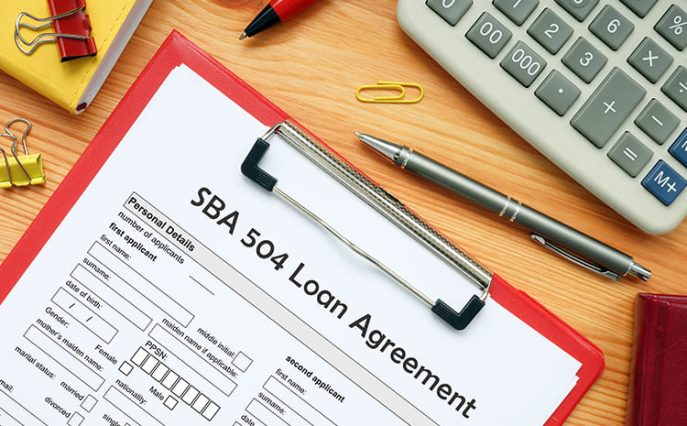
Because of this risk reduction, banks offers lower interest rate and longer repayment period for borrowers who qualify under the SBA loan program than for borrowers who qualify under the traditional commercial lending programs. The SBA loan programs include both the 7(a) loan (general purpose) and the 504 loan (fixed assets), and are important tools for business growth.
4. Evaluating Credit & Eligibility:
Although regional banks typically allow more flexibility than larger lenders, they have specific eligibility requirements as well, such as checking your personal and business credit reports. To apply for small business loan through regional banks, you must be a for-profit business that operates legally in the US.
Community banks provide a good option for those startups that do not qualify for traditional funding. They offer microloans or specialised startup programs. Always provide full disclosure when presenting your financial history, because honesty is key to establishing a good trust with the bank for a long-term business banking relationship.
5. Submitting Formal Application:
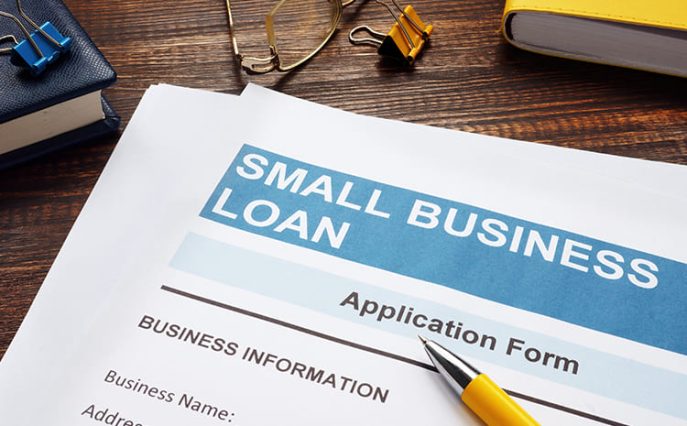
Once your documents are ready and your product is chosen, you are ready to officially apply for small business loan status through the bank's portal or office. Depending on the bank's procedures, this usually takes place through their website or physical location.
At this point, the bank will perform an extensive evaluation of your annual gross sales/cash flow and your yearly net profit. Be prepared for the underwriting team to ask questions regarding your gross sales and any currently outstanding debts. Transparency at this stage is extremely important to avoid being denied during the final review process.
6. Finalising the Terms and Closing:
Once you apply for small business loan assistance and receive an offer, you must consider the applicable closing costs and origination fee before finalising your loan terms. Some loans provide a lump sum payment at closing, while others, such as a business line of credit to assist small businesses, allow you to access your funds as the business requires.
Be sure to know if the loan has a variable or fixed interest rate and if you will need to open a business checking account with the bank in order to set up automatic withdrawals from that account for payment of your loan. When you finish the closing process, you will have access to your funds quickly, enabling you to concentrate on growing your business.
Comparing Your Business Financing Options
Before you officially apply for small business loan terms, it is worthwhile to look at the loan product offerings among regional financial institutions. Selecting an inappropriate product may result in unnecessary costs and limited cash access for your business.
Regional banks also often have a small business lending platform or a small business loan platform for small businesses that allows you to track your loan application digitally. This type of platform streamlines the interaction between small business owners and bank personnel.
- Business Term Loans: These loans are most conducive to making an investment in a specific piece of equipment, machinery, or commercial real estate.
- Business Line of Credit: This type of financing is best suited for maintaining a level of working capital and meeting unforeseen liabilities.
- Refinancing: You may refinance your existing loans that currently have high-interest rates to reduce your monthly payments.
- SBA Express Loan: SBA Express loans provide quick access to up to $500,000 for urgent business needs.
- Commercial Property Loans: Commercial property loan products provide financing specifically for the purchase of or improvements to commercial property with longer-term fixed-rate loan products.
The Benefits of Local Partnerships
When you apply for small business loan to complete your project or fund your venture, you gain not only a funding source but also an advocate. Many local banks offer resources such as counselling and education to help you manage cash flow in your organisation effectively. Many local community banks also have more resources available to support a nonprofit child care centre than a comparable for-profit business. Due to the fact that the FDIC insures the bank and is locally based, these lending institutions are very much vested in the success of the local economy.
In-person meetings with a loan officer may allow for greater rapport than through an online interface. Choosing to apply for small business loan through regional banks creates additional opportunities for your business. You are probably more easily able to open a checking account, manage business credit cards, or explore refinancing options than with a national lender. Closing costs at regional banks tend to be lower than at national lenders. By building this relationship, you ensure that future loan application processes are even smoother.
Final Words
The process of exploring the world of small business lending isn't too difficult. When you apply for small business loan through a regional bank, you are also looking for community development, in addition to getting good customer service. Remember, your local lender has the tools available to help you determine if you are eligible for the loan you are seeking, evaluate your credit score, and assist you in choosing the most competitive interest rate for your borrowed funds. So, the first step is reaching out to a local lending professional to review your loan options to ensure your successful future as an entrepreneur.
FAQs About Apply for Small Business Loan
1. What is the minimum credit score required to apply for small business loan?
The lowest acceptable credit score varies from lender to lender. However, when you have to apply for small business loan, most banks want to see a minimum score of 680. Regional lenders may take a look at many factors beyond just your credit score, such as your business history, future industry prospects, and ability to generate cash flow.
2. Can I use a small business loan to refinance my existing debt?
You can certainly use refinancing as a strategy to turn multiple high-interest debts into one loan with more affordable monthly payments than what you're currently paying to creditors. Many small business owners do this in order to make their operations more liquid.
3. How long will it take to acquire a small business loan at a regional bank?
A small business loan at a regional bank typically takes several weeks to receive a decision. However, if the lender is one of the SBA's Preferred Lenders, they can underwrite your loan in-house and may be able to expedite a decision on your application. To expedite the entire process, it is best if you have all your tax returns and financial records available prior to submitting your application.
4. Are nonprofits eligible for special loan programs?
Yes, certain types of small business loans (e.g. SBA microloans) are available to non-profit daycare centres or any organisation that is similar in nature. Both local banks and larger regional banks tend to be very supportive of those organisations that provide a benefit to their communities.
5. What is the distinction between a business loan and a line of credit?
A business term loan is a single sum, repayable over a specific time frame, usually with fixed interest terms. A business line of credit is a kind of limit you may access as needed, similar to how you use a credit card for cash.