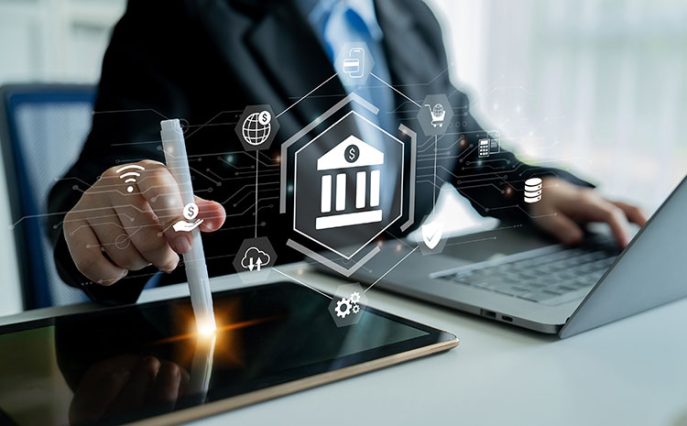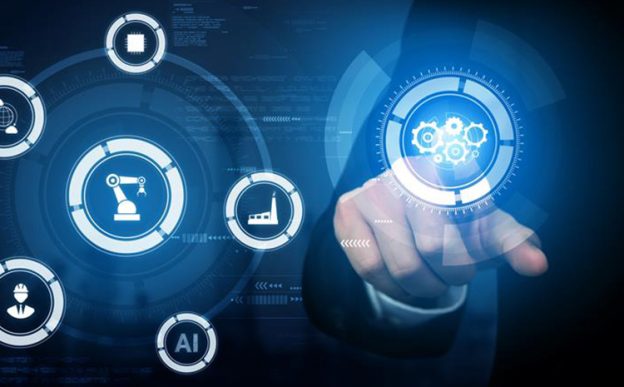
The equipment leasing business is on the cusp of a significant digital transformation, as traditional methods for securing equipment loans are no longer effective. Too much paperwork, manual inventory tracking, and slow approvals are quickly being replaced by automated techniques.
The financial automation market was valued at $6.6 billion in 2023 and is expected to grow 14.2% annually over the next eight years to $20.7 billion. Financial automation is transforming how companies acquire, manage, and utilize critical machinery and tools across various types of equipment. Now, we're seeing simpler, tech-driven financing solutions that make things work better and improve the customer experience, whether dealing with new or used equipment.
Technologies such as artificial intelligence (AI) and machine learning are enhancing risk assessment for equipment financing. This allows lenders to make quicker, more informed decisions about business equipment loans. It also helps business owners reduce the risk of non-payment and save valuable cash flow for other operational needs.
Technology and automation are redefining business models across the equipment financing market. As these innovations continue, equipment finance companies that use automation and a digital strategy are seizing an opportunity to grow in the market and provide greater value to their customers. The article below discusses how emerging technologies are influencing equipment financing, its challenges, and their future impact.
Aspects of Equipment Financing
Almost 80% of American companies opt for various financing options, such as loans, leases, and lines of credit, when acquiring equipment. The majority of that investment was funded by loans, leases, and lines of credit, which were obtained from equipment finance companies.
Leasing is a widely preferred form of equipment financing, enabling businesses to rent equipment for a specified duration. This choice is particularly suitable for companies that require expensive machinery but do not wish to make an outright purchase. An illustration of this can be seen in the construction industry, where a company may opt to lease heavy machinery for a major project.
Loans provide an alternative option for equipment financing, enabling individuals to borrow money from a lender to purchase the necessary equipment. This option is particularly suitable for businesses with a stable cash flow that can comfortably meet their loan obligations and desire outright ownership of the equipment.
Lines of credit are a highly flexible form of equipment finance that enables businesses to borrow money when necessary for equipment purchases. This option is particularly suitable for companies experiencing fluctuating cash flow who desire the capability to borrow funds on an as-needed basis.
Innovations in Equipment Financing
Using technologies like automation, AI, and analytics can significantly streamline the equipment financing options process. This will result in significant time and resource savings for small business owners.
Additionally, these advancements enable companies to gain more precise insights into their operations. Additionally, increased operational efficiency facilitates informed decision-making and helps conserve working capital.
I. Artificial Intelligence (AI) and Machine Learning
Streamlining Credit Decisions
AI-powered algorithms and machine learning models have brought major transformations in the equipment finance credit approval process. These systems can analyze business credit scores, annual revenue, and financial statements more effectively than traditional methods.
Better Risk Management
AI-powered risk assessment tools are making equipment financing much easier. These smart systems can provide a more detailed examination of business credit histories and personal credit profiles.
This helps lenders understand down payment capabilities and overall eligibility criteria, enabling them to make smarter and safer decisions about who to lend to.
Optimizing Portfolio Performance
Equipment finance companies can optimize their portfolios by using AI and machine learning. They help analyze huge amounts of information, including credit scores, equipment costs, and depreciation schedules.
By understanding these patterns, companies can make more informed decisions about their equipment investments and offer competitive rates to their customers.
II. Internet of Things (IoT)
Remote Equipment Monitoring
IoT sensors and connectivity enable the continuous monitoring of various types of equipment. This means machines receive better care, break down less frequently, and operate more efficiently.
It is beneficial for healthcare facilities managing medical equipment and real estate companies overseeing their heavy machinery across different job sites.
Predictive Maintenance
With IoT data, equipment finance companies can develop predictive maintenance strategies throughout the useful life of assets. This approach helps reduce equipment failure and prolong equipment lifespan. For businesses, it means that they can enjoy lower monthly payments.
By catching issues early and making small fixes along the way, businesses can prolong the lifespan of their assets and avoid the need for major repairs or complete replacement.
III. Blockchain Technology
Making Equipment Financing Safer and Faster
Blockchain technology offers secure and safe transactional processes for equipment financing while maintaining FDIC-insured protection standards. This technology can simplify payment options and reduce upfront costs for small business borrowers. Blockchain technology reduces loan closing times and expenses by eliminating inefficiencies associated with manual procedures.
Enhancing Security and Data Integrity
One of the best things about blockchain is that once information is recorded, it can't be changed or tampered with. This makes it nearly impossible for fraudsters to mess with equipment financing records or fake loan documents. Blockchain technology adds an extra layer of security, thereby increasing both trust and transparency within the industry.
IV. Automation and Robotics
Making Everything Run Smoother
Automation and smart robots are revolutionizing the day-to-day operations of equipment financing. Machines now handle much of the work automatically, helping companies reduce labor costs and minimize mistakes. This makes it much easier and faster to process applications for new equipment or used assets. Business loan applications are reviewed faster and more accurately, allowing for more precise evaluation of both financing and business needs.
Saving Money and Working Better
Automation helps equipment financing companies run more efficiently than before. This efficiency can translate to better interest rates and more favorable down payment terms for borrowers taking equipment loans. These savings due to automated systems mean lenders can offer better deals to borrowers seeking term loans.
Challenges the Equipment Financing Industry Will Face
AI and automation bring major benefits, but several challenges need to be addressed while using AI and other technologies for the equipment financing industry.
Data Quality: AI algorithms rely on accurate and up-to-date data to function correctly. This includes maintaining current balance sheet information, credit card payment histories, and other financial data. Ensuring the quality of data is up to par is essential for the success of AI-powered solutions.
Integration: Combining AI-powered solutions and other technologies with existing equipment financing systems can be challenging. The integration process can be difficult and time-consuming. Good system support and proper employee training can help during the transition.
Ethics and Bias: AI algorithms can sometimes show biases in areas like credit underwriting and credit approval processes. Equipment financing companies must design their AI applications in a way that treats everyone fairly, regardless of their background.
Future Impact of AI in Equipment Financing
The continued adoption of AI and machine learning technologies in the equipment financing industry is expected to bring about further advancements and impacts.
Predictive Analytics: Equipment financing companies can leverage predictive analytics to understand customer behavior, market trends, and risk factors. By examining past patterns and trends, these companies can predict customer needs and anticipate future market developments. This allows them to offer more personalized lease terms with better monthly payments.
Natural Language Processing (NLP): Natural language processing involves the ability of machines to understand and interpret human language. In equipment financing, NLP can be used for better customer interactions through chatbots and virtual assistants. These AI-powered systems can understand and respond to customer queries about lease rates, terms, etc. NLP can also automatically create lease contracts by reading through legal documents and producing standard agreements.
Robotics: Robotics in the equipment financing industry can be used for asset inspections, maintenance, and other operational processes. For example, drones equipped with cameras can be used to inspect leased assets. This reduces the need for manual inspections and improves the speed and accuracy of assessments.
Conclusion
The emergence of technologies like AI, blockchain, the Internet of Things, and automation is reshaping the equipment financing industry. These advancements are bringing about improved credit decisions, streamlined transactions, enhanced risk management, and other benefits. However, we have also recognized the obstacles that come with introducing new technology, including factors like cost and complexity. Despite these challenges, the equipment financing industry must adopt and use the new technologies to remain competitive.
Ready to learn more? Book a demo today
FAQs about Equipment Financing
What is the meaning of equipment financing?
Equipment finance is a type of business loan that provides money to purchase or lease equipment needed for business operations. This type of finance allows businesses to get the required equipment without having to pay for it all up front.
What is equipment leasing?
Equipment leasing is a rental agreement for business equipment. Instead of buying expensive machinery, vehicles, or technology outright, businesses can pay a monthly fee to use what they need. The business gets to use the equipment without spending too much money, which means they can keep more cash in their bank account for other important things.
What is the equipment finance agreement (EFA)?
An equipment finance agreement (EFA) is like a loan, security agreement, and promissory note all packaged together into a single document. EFAs also contain some unique features that make them one of the most popular and versatile equipment financing options.
How long can you finance equipment?
Business equipment loans may have terms ranging from several months to several years. Leasing terms often last for three, seven, or 10 years. However, all agreements are different, and the terms vary based on the type of equipment under lease and the credit strength of the borrower or lessee.
What is a commercial lending platform?
A commercial lending platform is a software solution that allows financial institutions to manage the full commercial loan process, from origination and underwriting to servicing and repayment. It simplifies operations, increases efficiency, improves the borrower experience, etc. Also, it helps with risk assessment and decision-making for businesses of all sizes.