Artificial intelligence and alternative data have revolutionized risk-based small business lending in the US. According to Datos Insights survey report of 2024, 86% of lenders felt confident in using alternative data for credit risk assessment as compared to the previous year. Out of the survey respondents, 60% felt less confident basing their decisions solely on traditional credit data.
The funding gap for small businesses remains stark: half of the small businesses seeking funding don’t get the required capital. In response, fintechs are rapidly adopting digital lending and risk analysis software to leverage alternative data for detecting potential risks fast and maximizing their market share in small business lending.
Artificial intelligence has been revolutionizing credit scoring by incorporating non-traditional data sources into credit evaluation processes. It leverages digital footprints, personal transaction histories, financial stability patterns, and other metrics to evaluate creditworthiness of small businesses that lack traditional credit scoring data available at the credit bureaus. As a result, AI-powered risk analysis software shows immense potential for financial institutions to expand their lending services to new small businesses.
Understanding the Role of AI in Risk Management Software
AI is the driving force behind streamlining the complex lending lifecycle and empowering informed decision-making. AI-powered risk management platforms reduce risk exposure and operational costs. It goes beyond risk mitigation by offering small banks and credit unions key features like:
1. Automated data collection and project management
AI-powered digital lending platforms auto-retrieve the data on the borrower in the bank statements, other financial mechanisms, and the documents. In-line project tracking assists credit teams to assign tasks, track application phases, and complete loans efficiently for higher volumes.
2. Configuring communication templates for every user
AI helps automate communication with applicants, website visitors, and potential borrowers over emails, SMS and in-app alerts. This guarantees an efficient updating of various stages of loan life-cycle-document requirement, including addressing application enquiries 24x7, sending timely EMI reminders, and escalating exigencies.
3. Automated regulatory compliance logging and monitoring
Every lending activity, including approvals, uploading of lending documents, and lending status is automatically recorded by AI. These logs are configured to be KYC-audit-ready and ensure that no manual monitoring is needed to abide by the latest regulatory frameworks, data consent policies, and other industry-wide changes.
4. Guided loan application filling, instant notifications, and instant query resolution
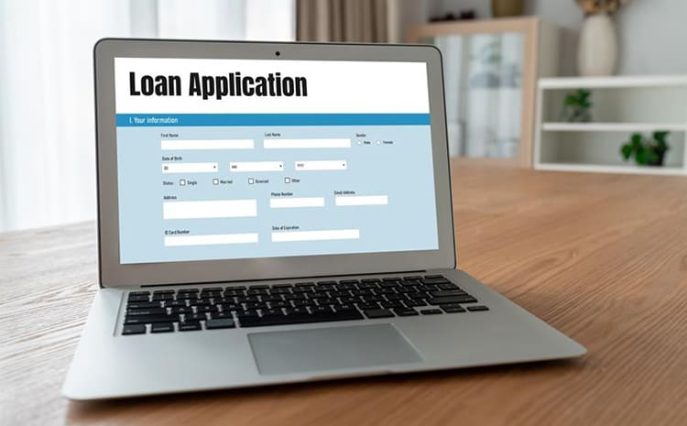
Using AI, borrowers remain guided in the process of filling applications in real-time resulting in fewer errors and more applications being completed. They are given instant alerts when they skip steps, and built-in chatbots solve the queries immediately instantly boosting user experience. AI guided loan journeys also reduce the cost of manual resource allocation while significantly enhancing their speed of disbursal.
AI-powered risk analysis software is cloud-based and utilizes powerful algorithms for fast, precise, and compliant risk identification. AI-powered risk control dashboards are user-friendly and support data visualization for a simplified view of risk for stakeholders.
Advantages of Using AI in Risk analysis Software
1. Recognizing Patterns and Operational Risks
Machine learning enables AI-based risk analysis software to utilize data for detecting cash flow and payment patterns. It identifies vulnerabilities that predict whether a small business can or cannot pay. Using risk assessment software, underwriting team members can prioritize healthier borrower profiles and offer competitive pricing to them for better retention.
2. Adapting Risk Data in Real-Time
Unlike static models, AI-powered risk analysis software solutions continually learn from new data, making them more accurate in monitoring risks. This plays a vital role in understanding various types of risk small businesses are prone to. AI-powered risk management processes can notify of real-time changes, depending on new trends, e.g., shrinking sales or local market disruption.
3. Automating Underwriting Processes
AI optimizes lending processes such as verification of documents, combining traditional and alternative credit scores, and maintaining a compliance risk register. Risk analysis software can handle loan applications in a few minutes. This allows lenders to provide a quick turnaround time for small companies requiring urgent financing. Automation optimizes workflows, minimizes human error, and promotes efficiency on risk management platforms.
4. Scalable Fraud Detection
AI can increase risk analysis software functionality by identifying anomalies from large data sets. It can project risks from inconsistencies in financial reports or digital trails left by borrowers. Risk management software can cross-check application information with online business records to establish whether applications are genuine and lenders are safe.
5. No-Code Rules Configuration
Unlike traditional methods of making changes to risk models, AI-driven risk management dashboards do not require technical coding knowledge. Risk managers can easily test and deploy dynamic logics using drag-and-drop functionalities and prompt-based engineering. With this, financial institutions can quickly respond to emerging borrower trends, regulatory updates, or internal strategy shifts.
Leveraging Alternative Data with AI-Powered Risk Management Software
1. Increasing Credit Assessment Precision
Alternative data complements key risk monitoring applications by furnishing a holistic image of a small business's financial condition. AI-powered modules evaluate e-commerce sales or bank transactions to identify risks. Risk assessment software assesses businesses with little traditional information, making them less likely to default and a better choice for lending.
2. Scaling Loan Volumes
Alternative data analysis on risk management platforms reduces underwriting times from days to hours. Risk analysis software can analyze thousands of transaction records within seconds. It offers maximum format compatibility for Excel, CSV, and other enterprise-level documents to minimize errors. Instant interpretation of vast data sets enables lenders to support the fast capital requirements of small enterprises.
3. Diversifying Access to Credit
Risk management software can facilitate underserved small businesses like startups, independent minority businesses, or rural firms. It helps small and regional banks fill the nationwide lending gap of the unrepresented communities that don’t fit the conventional credit profile. The risk management platform could integrate with utility payments or reviews to disperse loans conveniently and empower financial inclusion.
4. Endeavouring Risk Tracking
The risk management software allows for continuous tracking of borrowers' performance with the help of alternative data. A real-time sales monitoring or customer sentiment tool on a risk management platform can raise early warning signals, such as a drop in revenue. This provides an early opportunity to discover what has gone wrong and for the lender to take corrective action to mitigate any potential impact.
5. Boosting Cost Efficiency
Risk management software ensures that lenders incur fewer costs by automating crediting and analysis. Automated risk software can verify without any manual check by connecting to the APIs of accounting or payment processors, which allows small businesses to have competitive loan rates.
6. Stress-Free Compliance Management
The risk management platforms' data governance tools guarantee adherence to US rules concerning the Equal Credit Opportunity Act (ECOA) and Fair Credit Reporting Act (FCRA) regulations. Moreover, risk analysis software based on AI increases fraud detection, protecting lenders against fraudulent applications.
7. Future Scenario Modeling
No-code configuration of AI-powered risk software help regional banks and credit unions test their predictions based on emerging market conditions or borrower trends with precision, transparency, and control. This forecasting ability allows them to create virtual scenarios and generate dynamic lending policies, which can be applied with high agility if the scenarios occur in actuality. All of these tasks can be done by a strategic risk manager without the intervention of any technical expert, or committing to implementation.
Alternative Data for Credit Scoring Is Evolving
As alternative data methodology is in its early stages, its adoption faces unique challenges. Other data sources, like user reviews on the Internet or social media, may be unreliable due to biased or personal vendettas. They must be well validated utilizing configurable rules on risk management software. Risk management solutions should meet US-based regulations such as FCRA, ECOA, and CCPA. Team members using these platforms must ensure high data governance.
Implementing risk assessment software requires expert hands, which requires thoroughly evaluating the chosen vendors. Transforming legacy data on existing client risk management can be a complex task. It involves a combination of advanced credit analysis software capabilities and expert training of existing staff. The risk management platforms are supposed to scale with the increase in the amount of data.
Cloud-based platforms continue to improve cybersecurity measures to minimize vulnerability to threat actors. Lenders can ensure sustainable growth and competitiveness in the dynamic US lending environment by carefully evaluating the digital lending platform and its risk management capabilities.
Expedite Your Lending Process By Adopting Biz2X’s Advanced Risk Analysis Software
Schedule your free customizable demo request to understand the capabilities, partnership quality, and scope of improvement with Biz2X risk analysis software.
FAQs About Risk Analysis Software
1. How does AI enhance risk analysis for banks and credit unions?
Artificial intelligence complements risk analysis systems by making them perform predictive analysis and pattern recognition. By automating sorting and simplification, they help underwriters make better decisions, fast. It helps lenders manage dynamic markets with risk detection accuracy.
2. What other data do risk management platforms use?
The risk management platforms use alternative data to determine creditworthiness through bank transactions, online reviews, and borrower’s repayment patterns. These sources bring into light cash flow and local business economics to help the underwriters make informed lending decisions.
3. What are the significant difficulties that risk analysis software faces?
The most significant challenges of risk analysis software are the quality of the data provided at noisy alternatives, avoiding AI biases towards fair lending, and updating to regulatory changes.
4. What is the benefit of Biz2X credit risk analysis software for small banks?
Biz2X credit analysis software speeds up the loan approval process, helping to automate underwriting for small banks. It uses alternative data to cover the underbanked small businesses, such as startups and minorities-owned companies.
5. Can I get a free demo of the Biz2X credit analysis software?
Biz2X inculcates confidence in lending, and similarly, promotes confidence in investing in its risk analysis software. That’s why we offer a free customized demo according to your unique policies, loan products, and scale. To request a demo, click here.