How to Find the Best Open Accounts Software for Banks and Credit Unions



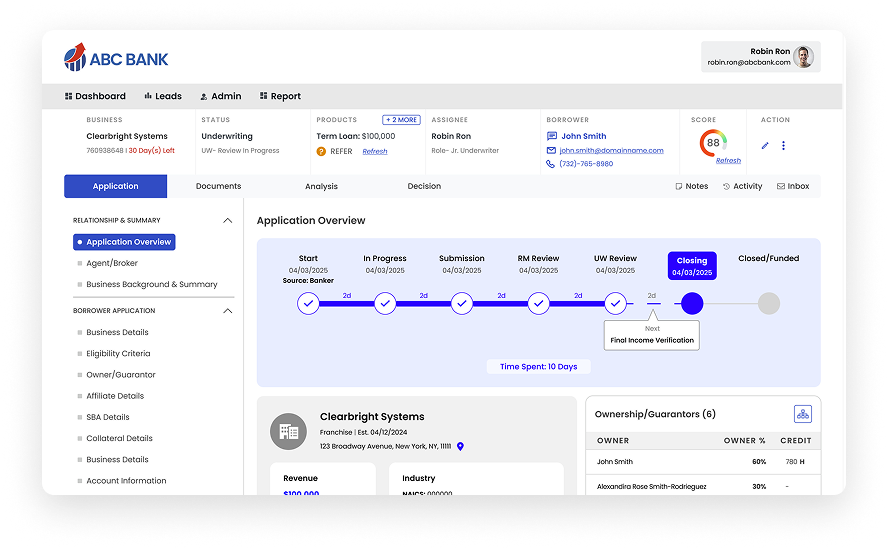

There have been efforts made by banks and credit unions to invest in digital account opening to enhance customer experience and automate tasks. According to Jack Henry’s 2025 Strategy Insights, it was found that 52% of financial institutions plan to incorporate digital account opening into their digital banking offerings in the next two years. But before settling on the solution, it is important to evaluate the features, integration, security, and scalability of the software. This is where the open accounts software review comes in handy.
What Is an Open Accounts Software Review, and Why Does ItMatter?
An open accounts software review is an analysis of software solutions that enable banks and credit unions to efficiently open accounts digitally. Features covered in the review include application processes, identification verification, documentation management, integration capabilities, automation, and reporting tools. They are necessary for understanding the performance of the software solution and whether it fits the requirements of the organization.
For regional and community banks, selecting the appropriate account opening system can result in minimizing manual work, more efficient processing of applications,and improved customer experience. This means that a review will help decision-makers compare software solutions, identify any weaknesses, and understand if the software can scale up in the future.
Key Features to Look for in an Open Accounts SoftwareReview
The software must not be limited to offering an online account application form. It must cover the whole process of opening an account, from data collection for applicants to information verification and transferring approved account applications into the banking system. An elaborate open accounts software review will assist in assessing the following characteristics.
1. Digital Account Opening Across Channels
Customers wouldwant to be able to open their accounts via digital interfaces. Banks shouldchoose software that allows online and mobile applications and gives room forassistance from bank employees when needed. Everything should be easy on bothsides. Banks also need to ensure that the software allows you to open bothpersonal and business accounts. If it is a business account, then there will besome information about the owners and other authorized signatories to fill out.The software should allow that without making it too complicated for theapplicant. In the course of an open accounts software review, banks shouldverify if applicants can store their progress and access unfinishedapplications.
2. IdentityVerification and Compliance Support
Identityverification plays a vital role in the process of account opening. It becomesnecessary for banks to collect and verify the information of the applicantswhile adhering to the rules and policies applicable in their organization. Onemust find software that includes features like identity verification, documentverification, fraud checking, and manual checking processes. Find out from thevendors how their products deal with situations like insufficient data,mismatched data, and fraudulent applications. It becomes essential for thesoftware to keep an audit trail of the most important steps, decisions, andchanges. An effective open accounts software review should make it clear whatchecks are handled by the software and what duties lie with the bank.
3. IntegrationWith Existing Banking Systems
Account openingsolutions should be able to integrate with systems that the bank is currentlyusing. They could comprise core banking systems, online banking systems,identification solutions, fraud detection solutions, and CRM systems. Lack ofproper integration might mean that staff will have to feed the same data todifferent systems or physically transfer files. You should ask vendors to showyou how data from an application is transferred between the platform and the coreof the bank. Find out whether the transfer is done in real time or in batchesand whether there is a REST API available for further integration.
4. Reporting, Application Tracking, and Customer Support
Visibility intoapplication processes is important for banks in order to spot potential delays,determine completion rates, and improve operations. Consider applicationsoffering dashboard capabilities and customizable reports on applicationvolumes, outstanding applications, process times, applications that are notcompleted, and exception queues. Reporting tools should assist managers infiguring out why applications move slowly. If there are many incompleteapplications, this means that perhaps applications have complex and confusingforms and/or requirements to be met. When doing an open accounts softwarereview, banks should find out if users can filter reports by account type,channel, branch, or application status. Pay attention to the vendor’s customersupport capabilities as well.
How to CompareOpen Accounts Software Reviews and Platform Capabilities
Reading reviewscan be an effective beginning, but banks should not limit themselves to ratingsand feedback only. An open accounts software review must be helpful fordecision makers in comprehending the performance of the software in practice.Take into consideration the following aspects while comparing softwareproviders.
1. Checkwhether the software matches your workflows: List all the types of accounts, allthe applicant types, all the channels through which you will be using theapplication, and all the internal approval procedures you need. Thisinformation should be compared with the abilities of the software. Also, checkwhether it can accommodate different bank accounts and their specificdocumentation requirements.
2. Evaluateintegration needs: Request vendors to elaborate on how their software isintegrated into your core banking system and other software. An open accountssoftware review will reveal whether the necessary integration is available orwould require customization. Inquire about the process of exchanging applicantdata between this software and existing software, and whether the softwareoffers a REST API for further integration.
3. Reviewimplementation and configuration: Get information about the time ofimplementation and the resources that your bank needs to have. An open accountssoftware review will allow you to evaluate whether authorized business userscould make changes such as updating forms, rules, screens, and workflowswithout the help of developers.
4. Analyzecustomer reviews very carefully: Pay attention to what the customers writeabout implementation, reliability, ease of use, performance, and integration.Take into consideration the reviews that have been left by customers whosebanks are similar in size and account type. Furthermore, it is important toevaluate whether the software is user-friendly and whether the cloud accountingsoftware integration, where relevant, fulfils their requirements.
Open Accounts Software vs. Traditional AccountingSoftware
There should bea difference between software that handles account openings and software thathandles accounting. While the two types of software may require the use offinancial information, there is a clear difference in their use. The purpose ofaccount opening software is to help the financial institution gatherinformation about the applicant, verify the information, process theapplication, and handle the workflow of those approved to open an account.
Traditionalaccounting software handles the processing and handling of accountinginformation. It may also handle bookkeeping, journal entries, general ledgermanagement, and bank reconciliation. Examples of accounting software includeQuickBooks Online, Xero, and Sage Intacct. Such products not only helpbusinesses keep track of their financial transactions but may provide servicessuch as accounts payable, accounts receivable, and financial reporting as well.
Key Benefits ofModern Account Opening Solutions for Banks and Credit Unions
The rightsoftware will assist in the efficient management of applications in financialorganizations. An open accounts software review enables the bank to determinewhat capabilities may be useful and whether they fit into its businessobjectives.
1. Streamlined Application Process Time
With digitisedapplication forms, automatic document gathering, and automated workflowprocessing, repetitive activities performed by employees may be shortened.Applicants can provide their details online, whereas employees can evaluateapplications using a single system. In addition, automation could shortenduplication of work across different departments and facilitate betterfinancial management since banks will be able to organize the relatedinformation of applications more efficiently.
2. Improved Business Banking Support
It may bepossible that the requirements for creating accounts for business clients maybe different from those for individuals. The process may be more complicated interms of several owners, authorized signatures, business papers, and otherverifications. Workflow-configurable software will assist finance teams inmanaging these requirements. Moreover, workflow-configurable software willallow employees to track what information is still missing from the applicationand route it to the appropriate team.
3. Decreased Manual Efforts and Gaps in Operation
Withinformation about applications centralized, there would be no need fortransferring documents between departments and entering identical informationinto different systems. The open accounts software review should assess howeffectively the program is able to minimize these gaps in operations. Relevantfinancial reports may be used by managers to track application operations.
4. Improved Visibility and Decision-Making
Reporting toolsallow managers to have a better perspective on application processing. Theywill be able to monitor the number of applications, the applications that arepending, processing time, and typical reasons for delay. This data can allowbanks to see areas where improvements may be needed. In open accounts softwarereview, one must determine whether the reports offered are insightful and canbe customized to coexist with the bank's existing accounting solutions.
Final Words
The selectionof the right account opening solution involves thorough analysis. Acomprehensive open accounts software review is useful when evaluating variousparameters. Before selecting an account opening platform, assess its fit withoperational needs and future goals. In addition, there is a need todifferentiate between account opening solutions and open-source accountingsoftware, which serve different purposes. Compare available solutions andrequest product demonstrations to find the right fit for your institution.
FAQs
1.What software is mostly used by banks?
Core BankingSystems (CBS) software is most commonly used in banks. It is the main softwaresystem used for performing various functions in a bank.
2.What programming language is used in banking software?
Programminglanguages that may be used for banking software include Java, C#, Python, C++,and COBOL. This depends on the intended function, security needs, and otherfactors.
3.What ERP do banks use?
ERP platformsthat banks can use include SAP, Oracle, and Microsoft Dynamics 365. Thisdecision depends on the size of the bank, operational requirements, and otherrelated factors.
4.What is banking software known as?
Bankingsoftware is popularly known as banking systems or core banking software. Itassists the financial organizations in managing various tasks including accountmaintenance, deposits, transactions, loans, etc.
5.In what way does an open accounts software review assist banks inselecting the right software?
The openaccounts software review assists banks to analyze all the features andcapabilities provided by the software before making the choice. The review alsoallows the bank to determine whether the software can facilitate otherprocesses, including order management.
What’s happening
See the latest from Biz2X.

The Growing Importance of Governance Risk and Compliance Software in Modern Enterprises
Explore how governance risk and compliance software helps banks manage business risks, meet regulatory requirements, and strengthen oversight.
What Is Credit Union Account Opening Software? A Complete Guide
A credit union is formed and maintained by its members. Opening a new account is often the first step of becoming a prospective member. However, if the process feels slow and requires frequent document uploads, branch visits, or more, there
Open a Business Checking Account Online: Requirements and Eligibility
A business checking account is essential for managing daily finances, separating business expenses from personal expenses, and maintaining accurate records for tax filing and compliance. Banks also understand the various requirements of sma
What Is Open Banking? Benefits, Risks & Working Explained
The world is evolving digitally, and industries are competing to provide digital experiences faster. In return, consumer behavior is also evolving accordingly. With personalization and multiple online payment options, the way transactions t
How Mortgage Loan Origination Software Is Transforming Digital Lending in 2026
Mortgage loan origination software (LOS) is quite useful for modern lenders, banks, and credit unions. It helps them streamline the origination of workflows, including application, document collection, underwriting, approval, and more. With
12 Loan Management Software Capabilities That Matter Most in 2026
Managing loan lifecycle, the traditional way required banks and lenders to invest heavily in manual resources. The process was slow, which led to low efficiency, more inaccuracy, and high turnaround times. Then loan management software came
How to Secure an Instant Small Business Loan for Urgent Business Expenses
Instant small business loans are supposed to provide faster access to funding than traditional financing options. However, the speed of funding may not be as fast as the loan providers may claim. Lenders often need to conduct thorough analy
Best Small Business Loans for Startups: A Complete Guide to Funding Your New Venture in 2026
Startups and small businesses often need to deal with immediate operational expenses. As their business plan is new, and they’re often figuring out things like logistics and suppliers, their cost expectations can surge. Without any means of
Top Benefits of Using Loan Management Software for Small Businesses in 2026
Loan management has evolved far beyond what you can imagine. Earlier, compliance was less strict, and everything was managed manually. This often led to a lengthier loan origination process and also left the workflows susceptible to fraud.
Small Business Loans for Startups: What to Consider Before Borrowing
Small business loans for startups can be quite helpful in the early stages of your business. According to Digit, 38% of startups fail because of poor cash flow. When this happens, owners cannot arrange working capital for daily operations l
A Complete Guide to Mortgage Lending Software for Modern Lenders
Modern banks and lenders are upgrading their lending technology to offer more convenience and simplify routine operations. Mortgage lending software provides all this while increasing productivity, lowering operational costs, and eliminatin
How to Choose the Right Credit Management Software for Your Business
Credit management software plays an important role for banks. They help them evaluate borrower risk, credit profile, loan portfolios, and compliance. Now with AI-enabled functionalities, these automate loan origination and underwriting as w
How Enterprise Risk Management Software Enables Proactive Risk Identification
Facing challenges, risks, and uncertainty is part of running a business. However, these challenges become unfair when their source of origination is fraudsters or others with malicious intent instead of market competition. To help businesse
How Enterprise Risk Software Helps Identify Emerging Threats and Manage Risks
Today, businesses and organizations must deal with various risks, ranging from cyber security threats, regulatory changes, and supply chain disruptions to financial uncertainties and operational challenges. Mitigating these challenges proac
Why Financial Institutions Are Investing in Advanced Risk and Compliance Tools?
There are several types of risks that banks face in their daily operations. From data theft to literal financial frauds, a single mistake can leave the bank vulnerable to so much damage. On top of it, they may need to face a heavy lawsuit f
The Role of an Account Origination Platform in Digital Banking
Today’s highly competitive digital-banking environment keeps banks on the edge. They are expected to deliver a seamless experience to customers and meet their expectations in terms of speed and comfort. To provide a better onboarding experi
How Online Account Opening Software for Banks Improves Customer Onboarding
Banking technology does more than fortifying your banking operations. With both online and mobile banking applications available easily, your technology becomes the customer’s first meaningful interaction. Apart from this, the solution shou
What Is Loan Business Software and Why Does Your Lending Business Need It?
Loan businesses, including banks, credit unions, non-banking financial institutions and digital lending platforms often handle many applications, documents, payments, and customer interactions. Managing this manually is quite time consuming
The Ultimate Guide to Account Opening Software for Banks
Today, users expect banks to offer them state-of-the-art experience in all bank-related services. To begin with, even simple processes like opening a bank account or seeing a bank statement should be amazingly fast. This can be achieved by
How to Optimize Your Bank Account? Business Strategies for Startup Growth in 2026
Choosing the right bank account for business is one of the primary and early financial decisions that you need to make. This account will keep all your business expenses separate from personal expenses and help with tracking and monitoring
How Small Businesses Can Apply for Business Account Online Easily
Applying for a business account online has become quite simple today. With different banks opting for digital transformation, you can fill and submit an application form for different types of bank accounts online. The process is faster, mo
How to Open a Business Bank Account and Set Your Business Up for Growth
Preparing for growth means more than strategic business planning. You should make sure that your financial ecosystem is strong and capable of handling a growing number of transactions, while providing competitive interest rates and other pe
How to Open a Business Bank Account Online and Simplify Business Finances
Selecting the right banking partner is one of the first steps in proactively managing your business expenses. Today, it has become easier to open a business bank account. In fact, you can apply online in a few minutes, but applying with the
How to Choose the Best Project Portfolio Management Software for Your Business
Project Portfolio Management (PPM) software is dedicated to helping organizations select, prioritize, and monitor projects to match company goals. These help cover the gap between strategy and daily execution. Instead of focusing on individ
How to Open Business Account Online: A Step-by-Step Guide
Opening a business account online is the first steps towards managing your funds safely and efficiently. With different perks that various banks offer, you can open online bank account for different purposes. While one account can be for ma
The Business Benefits of a Modern Credit Origination System
There’s a fundamental shift in the lending industry. The way people and businesses used to borrow money has changed. Earlier, only banks used to be reliable options, but today several non-banking financial institutions have also emerged inc
Top 15 Loan Origination Features Every Modern Lender Should Have
In the first two decades of the 21st century, lenders still relied on traditional loan processing, which lead to longer loan processing, decision making, and lengthy paperwork. While the method worked, it is not exactly fine-tuned for the r
How to Evaluate and Choose the Best Consumer Loan Origination Software
Lenders interest in consumer loan origination software often face struggle in choosing the right solution. They see a few development approaches in front of them, with each having its own merits and demerits. While consulting a tech firm he
Key Features of a Modern Commercial Loan Origination System
A commercial loan origination management system (LOS) is a dedicated software solution designed to help financial institutions manage the entire lifecycle for a loan. It is developed in collaboration with loan experts to handle all stages o
How Embedded Lending Can Help Cover Cash Flow Gaps
Disclaimer: All articles and all information in the Knowledge Center are provided for general informational purposes only, and do not constitute financial, tax, legal, accounting or other professional advice, and may not be relied on for an
How to Write a Lender-Ready Plan for Your SBA Startup Loan Application
Obtaining an SBA startup loan needs a well-planned, risk-mitigating and financially secure business plan. Regional banks are now more stringent regarding providing loans to new ventures as the post-inflationary market in 2026 restricts lend
How AI is Powering Quick Small Business Loans at Local Banks
The landscape for community banking is going through a substantial shift as AI accelerates how rapidly small businesses can access quick small business loans from their community banks and local entrepreneurs. Traditionally, regional banks
How to Apply for Small Business Loan Funding via Regional Banks
When you want to grow your business, manage seasonal fluctuations, or invest in long-term assets, apply for small business loan is a critical part of the plan you create to achieve these objectives. While many entrepreneurs default to using
How Digital Onboarding is Revolutionizing the Small Business SBA Application Process
The small business SBA ecosystem has experienced the largest change since the start of the U.S. Small Business Administration in 1953. Historically, applying for a small-business loan through a federal agency has been quite complex for entr
Paying SBA Loan Debt Early: Pros and Cons of Prepayment
Making the right decisions about paying SBA loan will directly impact the company's current and future growth. This should be considered a top-level strategic decision for small business owners. The desire to become "debt-free" for many sma
5 Key Documents Required for Small Business Loans for Starting a Business
The process of securing small business loans for starting a business is complicated and requires both a systematic approach and extremely careful documentation. Due to the restrictions placed on capital by the regional banking system and th
Understanding the SBA Business Loan Process: A Step-by-Step Guide
SBA business financing is an effective way for small business owners to access lower-cost financing to support the creation of sustainable growth and long-term value in their businesses. Banks and other lenders partner with the SBA in offer
Why Fast Funding is Essential for Small Business Loans for Business
For many vibrant entrepreneurial manufacturers, accessing small business loans for business can be time-sensitive due to the need to obtain liquidity quickly to grow. When a manufacturer finds a market gap, there may not be enough time for
How Collateral Affects Small Business Loans for Startup Companies
Obtaining small business loans for startup companies is crucial to achieving the milestone of launching an emerging business and scaling its operations. However, one of the biggest roadblocks for many entrepreneurs is proving to financial i
Top 7 Best Loan Management Software for Indian NBFCs in 2026
Choosing the best loan management software is critical both to improving operational efficiency and to managing a growing loan portfolio. NBFCs will offer many different types of loans, including consumer lending, small and medium enterpris
Why the SBA Loan is the Best Choice for Working Capital
An SBA loan has become an increasingly important solution for companies that are looking to increase the level of liquidity they maintain to compete in today's fast-paced business world. Today's modern finance ecosystems are placing increas
Funding the Future: SBA Programs for Green B2B Energy Initiatives
The SBA small business administration is on the verge of becoming a major financing source for the transition of the native American economy toward more sustainable energy practices. Sustainability is no longer seen as merely a compliance o
Navigating Risk: The Safest Business Loan for a Startup Company Success
Imagine you're at the helm of a promising startup, staring down high-stakes decisions with limited runway. As a business leader, you've bootstrapped your way this far, but scaling demands capital, fast, secure, and sustainable. What if the
The 2026 Power List: Best Lenders for Small Business Loans
The best lenders for small business loans in 2026 will transform how entrepreneurs raise capital through innovative lending solutions. The advances in technology have impacted service delivery for small business owners due to the rise of di
The Melting Pot Still Works. The Playbook Doesn’t.
What the World Cup and America’s 250th Tell Us About the Next Chapter of American Enterprise. By Rohit Arora, CEO & Co-founder of Biz2Credit Welcome to the Arora Analysis. Every month, we'll dive back into trending topics and financial moni
Embedded Finance Explained: How Your Brand Can Become a Financial Powerhouse
The concept of embedded finance explained has gained significant momentum and can no longer simply be labelled as a trend. Rather, it is an overall transformation of the way in which businesses will grow, monetise, and retain customers. Wit
Comparing Top Rated Small Business Loans: Fixed vs. Variable Rates
Loans for small businesses are important for both small business owners and regional banks as they assess the Federal Reserve's impact on interest rates for 2026 and beyond. Because of these changes to borrowing costs by the Federal Reserve
Bank Small Business Loan Review 2026: Is It Right for You?
The KeyBank small business loan portfolio in 2026 is still a leading source of funding for mid-sized businesses. As the business credit markets continue to change, identifying how KeyBank structures its lending will aid regional banks in as
Ways Embedded Finance Can Reduce Abandoned Applications
Key Takeaways Friction is the Primary Killer of Conversions: Small business owners rarely abandon loan applications due to a sudden lack of interest; instead, they drop out because of excessive manual data entry, rigid document requests, an
AI-Powered Verification: The Future of Consumer Loan Origination Systems
Financial institutions have witnessed a radical shift in how they approve consumer loans with the introduction of consumer loan origination systems (LOS). In just three years, AI-powered verification methods are setting new standards for sp
The Evolution of Consumer Loan Origination Systems in 2026
In 2026, the lending environment has undergone a radical transformation. There have been so many changes regarding the way digital technology is used, an increased number of compliance regulations, and revised borrower demands that have dra
Why Choosing the Right Embedded Finance Providers is Your Biggest 2026 Growth
Business leaders, imagine transforming your core platform from a simple service into a revenue-generating powerhouse that seamlessly offers financial services right where your customers already spend their time. In 2026, as competition inte
How Embedded Finance Products are Transforming Supply Chains
As a business leader navigating the complexities of modern supply chains, you know the drill: delays in payments, cash flow crunches, and fragmented financial services can derail even the most efficient operations. Imagine a world where fin
Unpacking Embedded Finance Meaning in the Era of Agentic AI
Imagine you're a business leader navigating the fintech landscape, where every customer interaction could unlock new revenue streams. But traditional banking holds you back with clunky integrations and slow approvals. What if financial serv
Embedded Financial Services: The Secret to Slashing B2B Sales Cycles
Business leaders, what if you could cut your B2B sales cycles from months to days, closing deals faster while delighting clients with instant value? In today's high-stakes market, are you still relying on clunky traditional banking processe
How AI is Reshaping the Embedded Finance Market Dynamics
Companies that think beyond their industry and scope of work often outperform their competitors in the long run, a lesson many traditional financial institutions and traditional banking sectors are now learning, especially concerning embedd
SBA Express Lenders vs. Fintech: Comparing Speed and Guarantee Fees
SBA express lenders are receiving new attention from borrowers as banks are being challenged to compete with fintech based on speed and cost. With challenges from market competition, lenders are also under pressure to deliver quicker approv
Eye on the Prize in the Age of AI
By Rohit Arora, CEO & Co-founder of Biz2X Last week, against the historic backdrop of the New York Stock Exchange trading floor, Biz2X hosted an intimate roundtable dinner—the first in our quarterly "Frontiers in Funding" dinner series. We
How the 2026 SBA Disaster Loan Rule Speeds Up Business Recovery
Business leaders, imagine a hurricane or flood devastates your operations in a declared disaster area, leaving your small business scrambling for funds amid bureaucratic red tape. What if a single rule change could slash recovery timelines
Expanding the Reach of Traditional Lending Technology for Banks
USA regional and small banks are experts in their market when it comes to lending to businesses. Local small businesses receive funding from these banks on a daily basis. But outside competition is significant. Fintech companies have create
Why Smart Underwriting Solutions are the Key to 2026 Revenue
Regional and community banks are competing with significantly more fintech lenders, as well as larger financial institutions. This competition is primarily due to larger financial institutions utilizing digital technology for their lending
Digital Onboarding: The Critical First Step in Lending Process Digitization
Imagine a scenario where your most promising prospective client walks through your virtual front door, ready to engage with your financial services, only to be met with a labyrinth of static PDF forms and a request to mail in physical copie
The Gold Standard for Secure Lending Technology Solutions
Lenders work with very sensitive data. They handle personal details like Social Security numbers, bank account information, credit scores, and income data. A single data security or compliance breach can lead to significant fines and reputa
The Security Architecture of Modern Cloud-Based Loan Management Systems
Picture a fintech executive dealing with increased amounts of loans and cybersecurity threats around every online turn. How can you make certain that your cloud-based loan management systems help protect your borrowers' sensitive data while
Using AI-Driven Credit Assessment to Forecast Delinquency
As a business leader in lending or financial services, you've felt the sting of unexpected delinquencies derailing your forecasts and profitability. What if you could peer into the future of borrower repayment with precision, turning risk i
Healthcare Finance: Innovative Embedded Lending Examples at the Point of Care
Are you, as a healthcare CEO or fintech leader, watching patients walk out the door because upfront costs prevent them from receiving critical treatments? Imagine flipping that script: seamless financing right at the point of care, boosting
Why Automated Loan Solutions for Lenders Are Essential
In an era where market agility defines the line between growth and stagnation, the traditional banking model is facing a silent revolution. For executive leaders at modern financial institutions, the question is no longer whether to embrace
Hyper-Automation: The New Standard for Loan Workflow Automation
In the fast-paced world of modern finance, the traditional hurdles of manual document management and fragmented communication are no longer just inconveniences, but they are liabilities. For business leaders, the challenge is clear: how do
Scaling Beyond Borders: International Loan Lifecycle Management for US Firms
Global megabanks are taking part in the current international expansion of loan lifecycle management. Regional banks, community banks, credit unions, and specialised lenders across the United States are also actively supporting their borrow
Enhancing Investor Transparency through Loan Tracking Management Software
In the high-stakes financial landscape of 2026, the relationship between financial institutions and their investors has shifted from passive reporting to active, real-time engagement. Institutional investors, private lenders, and credit uni
The Future of Commercial Credit: Trends in End-to-End Lending Automation
For today’s commercial banking leaders, the "speed of business" is no longer just a boardroom cliché, but a survival metric. Imagine a world where a complex commercial credit request doesn't languish in an underwriter's inbox for weeks but
Real-Time Testing: AI-Powered Risk Assessment for 2026 Volatility
Think back to the last time a market shift caught your organization off guard. Perhaps it was a sudden supply chain disruption or an overnight change in regulatory requirements that left your compliance team scrambling. For most business le
Automated Loan Decisioning for Small Business: High-Touch Speed, Low-Cost Risk
Picture this: A small business owner submits a loan application at 9 AM, and by noon, they have funding to seize a market opportunity, without endless paperwork or waiting games. As a lending executive, are you still relying on manual proce
How Can Embedded Lenders Stay Competitive? Here are Some Steps
Key Takeaways Market data has shown that the market for embedded small business lending platforms has grown exponentially in the now digital first economy, and the landscape for embedded lenders has become more competitive. Embedded small b
Integrated GRC Software: A New Standard for Decisioning & Risk Monitoring
In the business space today, organisations are facing a myriad of challenges that can impact their operations, reputation, and financial stability. Governance, Risk, and Compliance (GRC) is a structure that organisations are turning to for
Why Vertical SaaS Providers are Prioritizing Embedded Lending Technology
Software platforms are seeing a boom in usage at the moment. Vertical SaaS companies are functioning as the operational control centres for many industries. These are helping industries such as healthcare scheduling systems, construction ma
Predictive Modeling: Using Advanced Loan Portfolio Analytics to Forecast Risk
To lead a financial institution in 2026 is to navigate a landscape defined by rapid volatility and digital acceleration. For C-suite executives and credit heads at banks, NBFCs, and credit unions, the “rear-view mirror” approach to loan por
Why Digital Loan Origination is the Secret to Faster Small Business Growth
You're a small business owner whose cash flow is strangled by slow loan approvals, or a lender watching competitors snag deals because their processes move at glacial speeds. Does this sound familiar? As a business leader in fintech or bank
Commercial Lending Technology: Transforming the Mid-Market Experience
Mid-market companies are considered one of the most underserved segments in the United States economy. These businesses are growing larger and more complex every day than small businesses. These companies are still lacking basic access to e
The Ethics of AI: A New Pillar for Risk Management in Banking
Banks and financial institutions in the banking industry are eager to adopt AI technology across multiple areas of their banking operations, like credit risk modeling, cybersecurity, and managing liquidity risk/ market risk. It will help by
Scaling Without Headcount: The ROI of Loan Automation Software in 2026
You're a lending executive staring at a ballooning loan portfolio, but your team is maxed out on manual underwriting and paperwork. What if you could double loan approvals, cut processing times, and boost ROI, all without more hirings? In 2
Open Banking Loan Solutions: Achieving Real-Time Cash Flow Visibility
The United States is experiencing a surge in the acceptance of open banking. Financial institutions have started delivering their financial services to many small business clients with the help of open banking loan solutions. This whole mov
The Rise of Digital Onboarding: Transforming UX with Lending Technology
As business leaders, you can drastically reduce onboarding times from days to minutes and attract thousands of new borrowers to your lending platform while traditional banking institutions frantically look for ways to do the same thing. Are
Beyond FICO: Using Alternative Data in AI-Based Lending to Reach Thin-File
As a business leader in financial services, you're eyeing untapped markets where millions of thin-file borrowers, small business owners with solid cash flows but scant credit history, slip through traditional FICO cracks, leaving billions i
Self-Service Lending: Empowering Clients with Borrower Onboarding Solutions
You're a lending executive at a mid-sized credit union, watching new borrowers abandon loan applications midway due to slow onboarding. What if they could self-serve, uploading docs via mobile, tracking progress on dashboards, and getting r
Automating Compliance: The Regulatory Edge of a Credit Risk Mitigation Platform
As an executive in financial services, you are no doubt familiar with how difficult it can be to keep up with constantly changing regulations that impact your business. If you spend late nights reviewing financial statements or have teams r
From Payments to Credit: The Evolution of Embedded Lending Platforms
Imagine you're a business leader navigating a market where customers expect instant everything, from checkout to fulfilment. What if your platform could not only process payments but also approve loans in seconds, turning one-time buyers in
Predictive Liquidity: The Future of Lending for US Mid-Market Firms
Imagine you're a mid-market CEO in the US, facing a cash-flow crunch just as a prime opportunity arises from expansion into new markets or the acquisition of a distressed competitor. Do you scramble for traditional loans, waiting weeks for
Scaling Private Credit with Advanced Loan Process Automation
Picture yourself as a private debt investment fund manager with access to a steady stream of high-quality lending opportunities. Unfortunately, your team has become bogged down by excessive repetitive data-entry tasks, manual loan underwrit
Reducing Total Cost of Ownership (TCO) with Cloud-Based Lending Software
Besides interest margins, regional banks and credit unions in the USA charge some extra fees on every loan. These fees raise the total cost of ownership (TCO) and make lending operations less profitable, even with increased loan volumes. In
Biz2X Frontiers 2026 2026: Five Forces Re-Architecting Finance, AI, and Small Business Lending
The global financial system is entering a decisive new chapter. At Biz2X Frontiers 2026 international leaders from banking, fintech, private credit, capital markets, technology, and public policy came together to examine what’s next, and wh
Next-Gen AI-Powered Lending Solutions: Hyper-Personalization
In today’s cutthroat financial environment, executives have witnessed the most critical shift: the transition from traditional lending to hyper-personalized lending. Today, the key to success and the differentiator that will tip the scales
The Borrower Experience Upgrade: How a Loan Portfolio Platform Boosts Customer Satisfaction
In an era where customer expectations are shaped by seamless digital interactions in every other industry, the lending process often lags, characterized by complexity, delays, and a lack of transparency. The resulting friction in the borrow
Working Capital Business Loan Solutions: Beat Cash Flow Gaps
For small business executives, managing the tension between seasonal revenue fluctuations and fixed operational obligations is a critical leadership challenge. When outstanding receivables coincide with immediate liabilities, such as payrol
Future-Proofing Your Funds: The Cloud Security Advantage of Modern Loan Solutions
As a business leader in financial services, you're staring down a surge in small business loan applications amid economic volatility, but legacy systems are buckling under cyber threats and manual workflows. What if you could slash loan ori
The US Small Business Guide to Loans: Why Your Lender Needs Modern Lending Software
You're a lender at a credit union or community bank, staring down a stack of small business loan applications. Deadlines loom, borrowers wait weeks for decisions, and your team drowns in manual paperwork, costing you deals to faster fintech
Future-Proofing the Supply Chain with a Dynamic Risk Management System
You're steering your organization through volatile markets, supply chain hiccups, and cyber threats, yet instead of dodging opportunities, you're seizing them. Sound familiar? As a leader in business finance or digital lending, you know ris
The AI Risk Manager: How Banks Are Governing AI Models to Maintain Trust
Your team deploys a cutting-edge AI agent for fraud detection, only for a biased algorithm to flag legitimate transactions, sparking regulatory scrutiny and customer backlash. As AI adoption in banks surges, how do you harness it without er
Scaling Secrets: Leaders Leveraging Alt-Lenders in the Commercial Loan System
Imagine you're at the helm of a growing enterprise, staring down a cash flow crunch that traditional banks can't lend fast enough. You've built your business from the ground up, but scaling demands capital now. What if you could tap into a
End-to-End Excellence: Streamlining the Loan Lifecycle with Integrated Loan Tracking Management
In 2026, the margin for error in commercial lending has almost moved to null. As an executive, your day is a high-stakes balancing act, which includes answering borrower inquiries, handling loan disbursements, and dealing with portfolio ris